How a SilkDreamLux pillowcase gets made
There are only a handful of ways silk fabric of this grade reaches a small brand, and most of them involve an intermediary who is paid to make the specification sound better than it is. Here is the process we work to.
-
Step 01
Filament selection
Mulberry silk is reeled from cocoons into continuous filaments. Grade 6A requires long, uniform filaments, which means rejecting a large share of the cocoon crop. We specify 6A and pay the premium that comes with it, because the alternative shows up as slubs and thin spots after a few washes.
-
Step 02
Weaving to weight
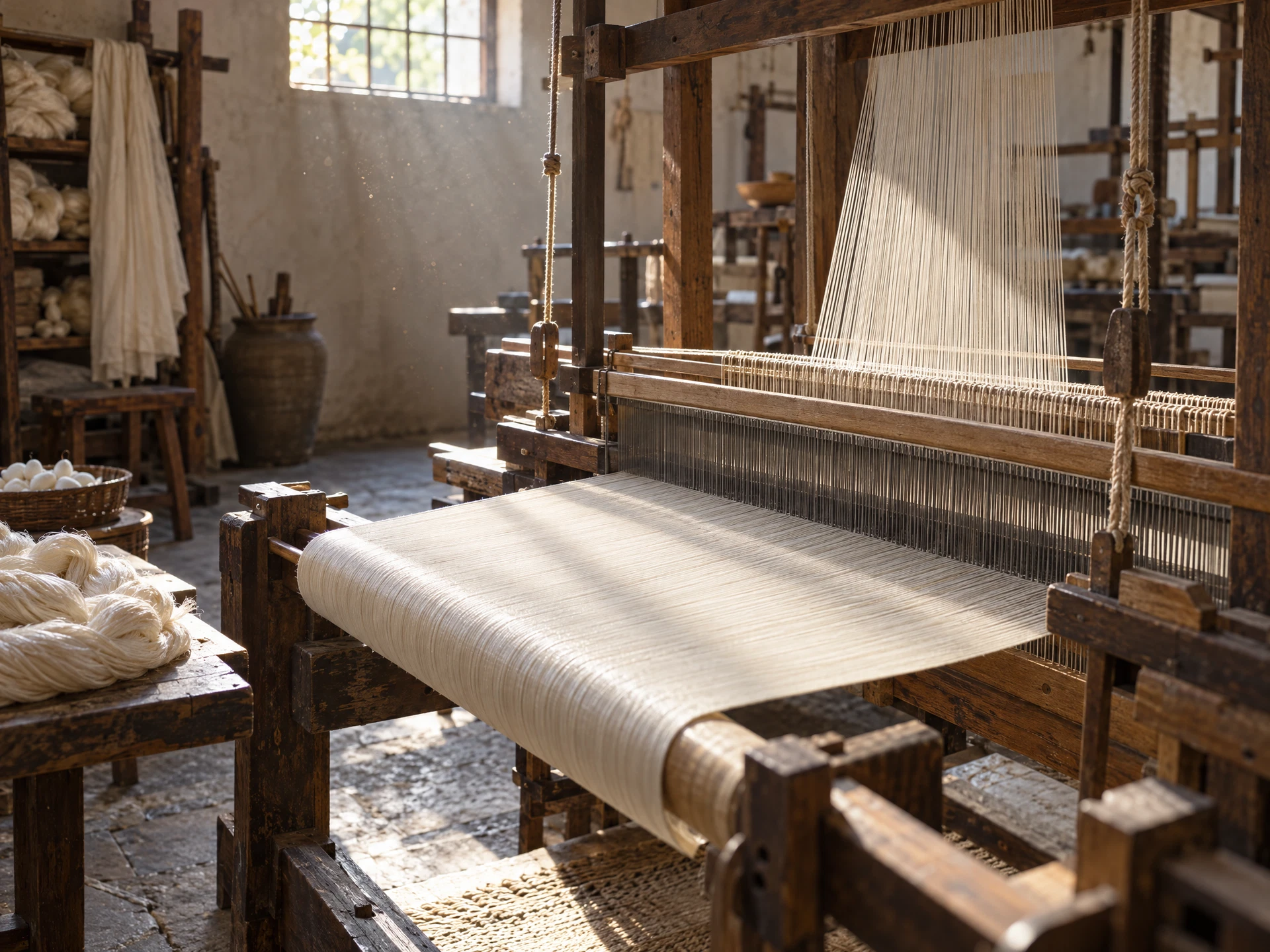
Momme weight is set at the loom, not applied afterwards. We weave charmeuse at 25 momme for our flagship case, with the glossy face and matte reverse that a true silk satin weave produces.
-
Step 03
Dyeing without chlorine
Chlorine bleaching is cheap and it yellows silk over time. We specify chlorine-free processing and colour-fastness testing, because a pillowcase that fades at six months isn't the product you paid for.
-
Step 04
Cut, sewn, inspected
A seamless construction with no zipper, no buttons and no closure, then a hand inspection of every unit. If we wouldn't sleep on it, it doesn't ship.
-
Step 05
Packaged without plastic
Recyclable box, tissue, and the mesh laundry bag that keeps the silk alive. No plastic sleeve, no filler, no single-use anything.